Denver · Colorado

Junk removal across the Denver metro and the Front Range.

Denver anchors the Front Range corridor, one of the most active commercial real estate regions in the Mountain West. JRP runs route coverage across the Denver-Aurora-Lakewood metro and into the Boulder corridor, from Downtown Denver and LoDo through Cherry Creek, the Denver Tech Center, and the surrounding suburbs of Aurora, Lakewood, Centennial, and Highlands Ranch.

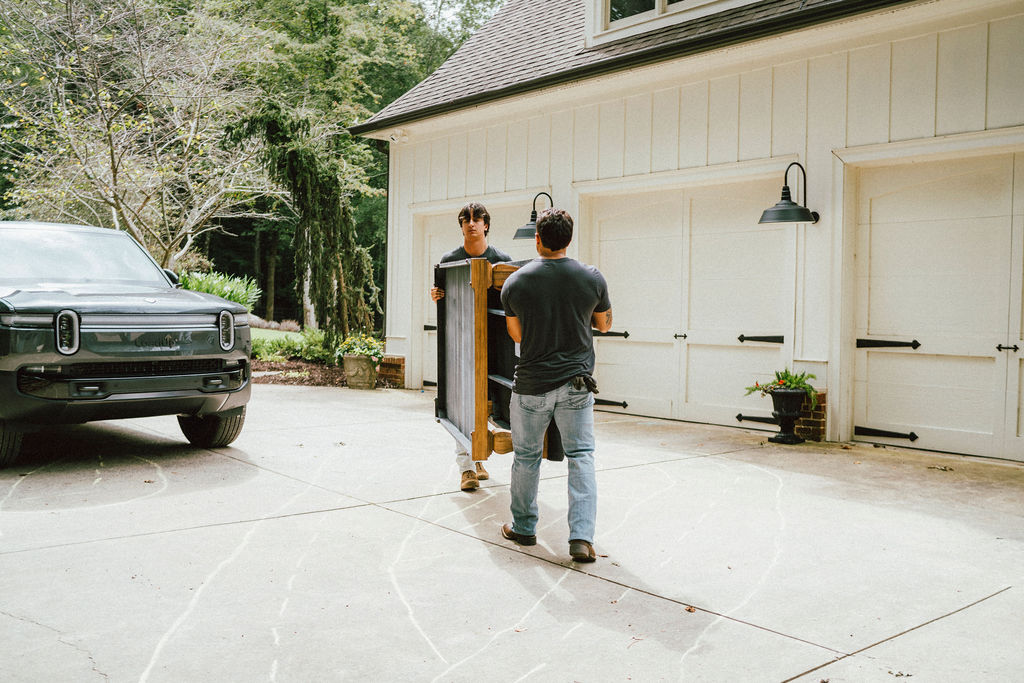
JRP Loader with electric fleet vehicle in Denver area
~3M
Denver metro population
10M+
Tons of CO solid waste in 2024
CDPHE
State regulatory authority
Banned
Electronics in CO landfills (statewide)

Why Denver matters in our coverage

Mountain West commercial center, distinct from the Sunbelt cluster.

Denver is the largest commercial market in the Mountain West and one of the few major metros in our network outside the Southeast and Texas. The commercial profile spans active corporate office in the Denver Tech Center and Cherry Creek, energy and natural resources headquarters concentration, growing tech and aerospace sector activity around Boulder, and substantial multifamily and mixed-use development across the metro.

The Front Range corridor, stretching from Fort Collins through Denver to Colorado Springs, hosts the state's largest disposal facilities and concentrates the state's commercial real estate activity. For multi-property accounts, this corridor is operationally coherent — a recurring contract spanning Denver, Boulder, and Centennial routes through the same disposal infrastructure.

Denver also has a meaningfully different climate profile than other markets in our network. Snow events, mountain access constraints in some submarkets, and seasonal storm cleanup factor into route planning in ways they don't in Atlanta or Tampa.

The Colorado disposal landscape

CDPHE-regulated, with growing emphasis on diversion.

Colorado solid waste is regulated by the Colorado Department of Public Health and Environment (CDPHE), Hazardous Materials and Waste Management Division. The state processed over 10 million tons of solid waste in 2024, generating more than $22 million in user fees that support regulatory programs and the new Closed Landfill Remediation Grant Program.

Colorado bans electronics from landfills statewide, requiring separate disposal at designated e-waste collection points. Most transfer stations have dedicated drop-off for computers, monitors, and televisions. Construction and demolition recycling is well-developed in Denver and Boulder, with specialized facilities separating concrete, wood, and metals for reuse, often at rates competitive with or cheaper than landfill disposal.

For commercial customers tracking diversion rates and ESG metrics, Denver is one of the more diversion-friendly metros in our network. Routing decisions can support meaningful waste reduction documentation when project waste streams qualify.

Submarkets we cover

Coverage across the metro and the Front Range corridor.

The Denver metro spans the Front Range from the foothills east through the plains, with distinct commercial submarkets shaped by elevation, transit access, and corporate concentration. Here are the submarkets where we run the most volume.

CBD office & mixed-use
Downtown Denver / LoDo

Trophy office, hospitality, and active mixed-use redevelopment. Common scopes: office TI debris, hotel furniture refreshes, condo turnover. Active urban core revitalization driving consistent project work.

Office & high-end retail
Cherry Creek

Affluent submarket with mix of corporate office, high-end retail, and luxury residential. Common scopes: corporate office TI work, retail fixture refreshes around Cherry Creek Shopping Center, and high-rise multifamily turnover.

Suburban office concentration
Denver Tech Center (DTC)

Major suburban corporate office cluster south of the city. Heavy office TI work, decommissioning, and corporate facility refreshes. After-hours service standard for occupied office buildings.

Tech & research corridor
Boulder

Tech, aerospace, and research cluster including CU Boulder and significant federal lab presence. Common scopes: office TI debris, research facility refreshes, and decommissioning. Mountain-adjacent geography affects scheduling during winter weather events.

Suburban growth
Aurora

Largest of the Denver suburbs and one of the fastest-growing. Active multifamily portfolios, growing corporate and medical presence (Anschutz Medical Campus), and continuous residential development. Common scopes mirror metro patterns at scale.

Western metro
Lakewood / Wheat Ridge

Established western suburbs with mix of commercial, retail, and residential. Federal Center adjacency drives some federal-contract work. Common scopes: pre-listing cleanouts, commercial accounts, and multifamily turnover.

Affluent suburban
Highlands Ranch / Centennial

Master-planned communities south of the metro. Active multifamily portfolios, suburban office (DTC adjacency), and continuous residential project work. Strong realtor referral relationships in this submarket.

Northern growth corridor
Westminster / Thornton / Arvada

Northern Denver growth corridor along US-36 and I-25. Active multifamily and retail development, growing corporate office, and continuous residential growth. Coordinates with Boulder corridor for cross-submarket recurring contracts.
How disposal works in the Denver metro

The infrastructure behind every pickup.

Colorado solid waste is regulated by the Colorado Department of Public Health and Environment (CDPHE), Hazardous Materials and Waste Management Division. The Front Range hosts the state's largest disposal facilities, with a mix of major regional landfills, locally-owned transfer stations, and dedicated C&D facilities. Here are the major facilities we route through, by waste classification and project location.

Denver Arapahoe Disposal Site (DADS)
Operated by WM (Waste Management) · Major regional MSW landfill

Primary regional landfill serving the Denver metro for municipal solid waste disposal. Used as part of WM's broader regional disposal network for accounts with WM master agreements and for higher-volume commercial loads.

STS Englewood & Commerce City Transfer Stations
STS Recycling & Waste · Locally owned

Two locally-owned transfer stations serving the Denver metro. Englewood (south) and Commerce City (north) facilities handle mixed waste, recyclables sorting (ferrous and non-ferrous metals), and bulk drop-off. Hazardous materials and special wastes not accepted.

Front Range Landfill
Waste Connections · Erie, CO · Weld County Rd 5 / Rd 6

Regional landfill with adjoining transfer station near Erie, accessible from the northern Denver metro and Boulder corridor. All vehicles weigh in and weigh out on certified scales. Uncovered loads charged double per state requirements.

Sedalia Landfill
Waste Connections · Non-hazardous, non-putrescible

State-permitted dry waste disposal facility supporting the broader Waste Connections of Colorado hauling network. Used for qualifying non-putrescible loads when routing requires a southern Denver disposal point.

Disposal routing depends on waste classification, project location, and current facility capacity. Colorado's electronics landfill ban requires separate routing for e-waste through certified electronics recyclers. Construction and demolition material is routed through C&D-specialized facilities where the diversion economics favor it.

Most common Denver scopes

Where Denver customers most often work with us.

Tell us about the Denver job.

Single pickup, recurring contract, multi-property portfolio, or one-time project. Whatever the scope, we'll route to the right rep and respond within one business day. For single-item household pickups, the fastest path is self-serve booking with upfront pricing.

Or book a single pickup online →

Request a quote

Denver accounts

No marketing texts. We'll only contact you about your job.